
Top Picks for Noise Reduction in Apartments
Living in an apartment means sharing walls, ceilings, and sometimes a little too much personal information with your neighbors. But just because you can hear them doesn’t mean you have to live with constant noise.
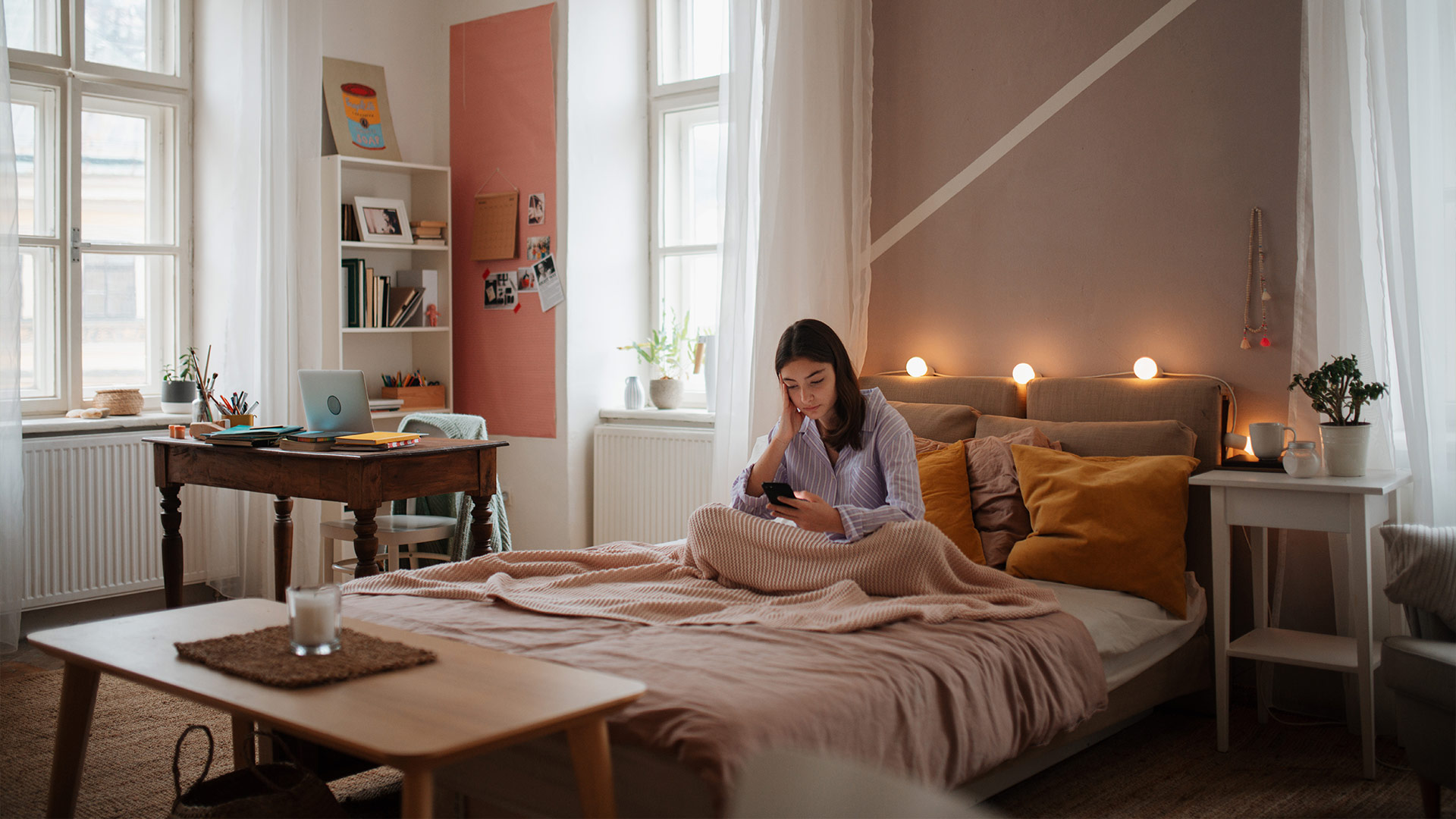
If you’ve ever lived in an apartment with thin walls, squeaky floors, or neighbors who think 2 a.m. is the perfect time for karaoke—you already know how important noise reduction can be. Whether you’re trying to focus, sleep, or just enjoy a little peace, managing sound in a rental can feel like a serious challenge.
The good news? You don’t need to remodel or invest in professional soundproofing. There are plenty of renter-friendly products and strategies that can make your space quieter, calmer, and a lot more comfortable.
Here are the top tools and tricks to reduce noise in your apartment—without ticking off your landlord or breaking your lease.
1. Thick Curtains That Do More Than Block Light
Blackout curtains are great for sleeping in, but did you know many of them also help block out sound? Look for insulated or sound-dampening curtains—they add weight to your windows, which helps muffle outside noise.
Why they work:
- Reduce street noise, traffic, and outdoor voices
- Help block echo in rooms with hard floors
- Add a cozy, finished look to your space
For extra effect, extend them wider and higher than the window frame. The more coverage, the better the noise absorption.
2. Door Draft Stoppers (Not Just for Cold Air)
Sound travels through cracks—especially the ones under your doors. A good draft stopper blocks both airflow and noise, whether it’s hallway conversations or loud music leaking in.
Try these types:
- Slide-on fabric draft guards
- Weighted “snake” style stoppers
- Adhesive rubber seals (removable)
They’re easy to install, cost next to nothing, and make a surprising difference—especially for bedroom and front doors.
3. Area Rugs (With Bonus Padding)
If you’ve got hard flooring, sound is bouncing around constantly. A thick area rug helps absorb footsteps, voices, and even TV sounds. Add a rug pad underneath for extra softness and noise control.
Best spots for rugs:
- Living room under the couch
- Bedroom beside or under the bed
- Entryway for echo control
Layered rugs are not only trendy—they’re also a clever way to stack your soundproofing game.
4. Removable Acoustic Panels
These aren’t just for music studios anymore. Peel-and-stick acoustic panels have come a long way in both function and design. You can find options that are neutral, colorful, or even decorative.
Great for:
- Home offices or gaming setups
- Bedrooms with shared walls
- Hallways that echo
You don’t need to cover the whole wall—just a few panels in key areas can help. Look for foam panels, felt squares, or even fabric-covered cork tiles.
5. Bookshelves as Sound Buffers
A fully loaded bookshelf can act like a DIY sound barrier—especially on a wall shared with neighbors. The trick is to place it tight against the wall and fill it up.
Why it works:
- Books and wood absorb sound
- Shelves create an extra “layer” between you and noise
- Bonus: adds style and storage
Go floor-to-ceiling if you can, and fill any gaps in the shelves with baskets or bins to improve coverage.
6. White Noise Machines (or Apps)
Sometimes, the best way to deal with noise… is to drown it out. A good white noise machine helps mask random sounds like footsteps, talking, or even loud plumbing.
Other sound options include:
- Rain sounds
- Fan noise
- Gentle music or ambient tracks
You can also use free apps, Bluetooth speakers, or even an old-school box fan to create background noise that blends distractions into the background.
7. Removable Window Inserts or Soundproof Film
If your windows face a busy street, it’s not just light that sneaks in—it’s sound. Window inserts or acoustic film can reduce the amount of noise that enters your space, and they’re completely renter-safe.
Look for:
- Acrylic panels that press into window frames
- Sound-dampening window film (also helps with insulation)
- Magnetic or suction-based systems
They’re more affordable than double-pane windows and much easier to install in a rental.
8. Wall Hangings That Absorb Echo
Bare walls bounce sound like crazy. Hang up soft materials like tapestries, canvas art, fabric panels, or even rugs to help soak up extra noise.
Ideas to try:
- A large tapestry behind the bed
- A woven wall hanging in the hallway
- DIY fabric-wrapped cork boards or acoustic panels
Bonus: they make your place look warmer and more lived-in while helping with sound.
9. Replace Loud Hardware
Not all noise comes from outside. Your apartment might have a cabinet that slams shut, a doorknob that rattles, or a toilet seat that clatters like thunder.
Quick fixes include:
- Adhesive bumpers for cabinet doors and drawers
- Quiet-close toilet seat replacements
- Silicone pads under furniture legs
These small changes cost almost nothing but can instantly cut back on the daily noise chaos.
10. Strategically Rearrange Your Space
Sometimes, noise reduction is about placement. Move your bed away from a shared wall. Put your couch against the loudest side. Use tall plants, screens, or even storage cubes as sound diffusers.
Things that help:
- Upholstered furniture against shared walls
- Baskets or fabric bins for soft sound traps
- Curtains as room dividers or wall hangings
It’s not about perfection—it’s about reducing direct paths for noise to travel.